



Are Confinement Herbs Safe? Discover the Hidden Risks and Real-Life Stories
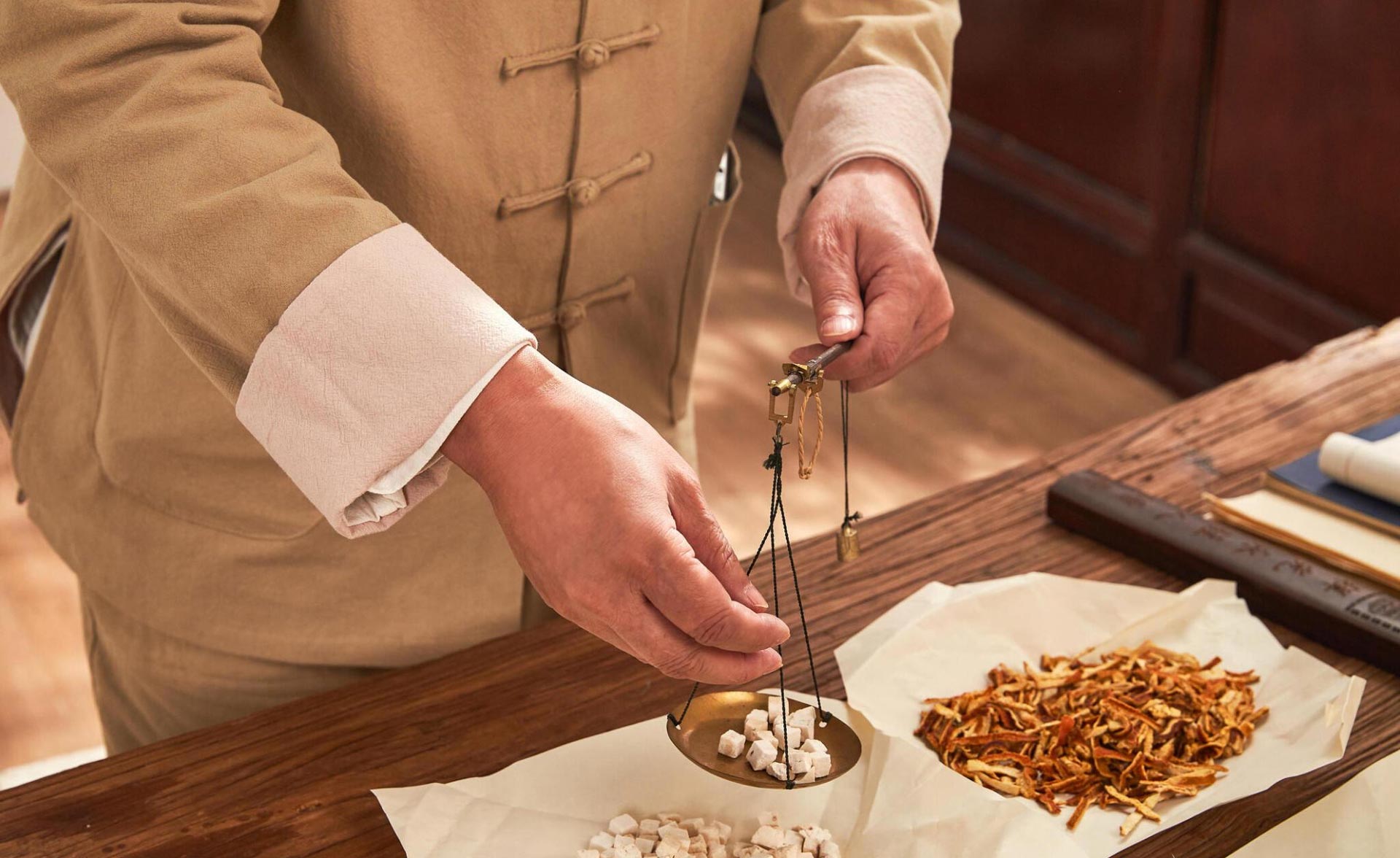
After giving birth, many new mothers in Singapore turn to confinement herbs to support their recovery, a practice deeply rooted in Traditional Chinese Medicine (TCM). These herbs, while beneficial when used correctly, can pose serious risks if misused. In this article, we’ll explore real-life case studies, discuss potential dangers, and provide actionable insights to ensure the safe and effective use of confinement herbs during postpartum recovery.
Key Takeaways:
- Case study highlights the risks of misusing confinement herbs during postpartum recovery.
- Using the right herb at the wrong time can worsen postpartum conditions like bleeding, inflammation, or hinder recovery.
- Drug interactions with confinement herbs can be dangerous; always consult a healthcare professional first.
- Herb quality and correct dosage are crucial for safety and effectiveness.
- Empowering mothers with knowledge ensures safe, informed decisions for a healthy postpartum recovery.
Case Study: Ms. Lin’s Experience with Confinement Herbs
The Setup: A Thoughtful Gift with Unintended Consequences
Ms. Lin, a 33-year-old first-time mother, had just undergone a C-section to deliver her baby. After returning home, her mother gifted her a traditional confinement herbal package purchased from a local Chinese medical hall. Her confinement nanny began preparing meals and herbal decoctions using the herbs included in the package.
The first herbal decoction prepared was Sheng Hua Tang (生化汤), a common remedy in confinement packages designed to help expel lochia and promote uterine healing. This decoction typically includes Dang Gui (当归), Chuan Xiong (川芎), Tao Ren (桃仁), Pao Jiang (炮姜), and Gan Cao (甘草), used in postpartum care to support blood circulation and uterine healing.
The Crisis: When Good Intentions Go Wrong
About 30 minutes after consuming the Sheng Hua Tang, Ms. Lin began feeling dizzy and experienced severe abdominal cramping. She noticed heavy vaginal bleeding—far more than typical postpartum bleeding. Alarmed, her husband immediately called for an ambulance.
By the time they arrived at the hospital, Ms. Lin had lost consciousness due to severe blood loss. Fortunately, doctors managed to stabilise her condition after several days in the ICU, but the experience left her physically and emotionally drained.
The Aftermath: Lingering Effects and Seeking Help
Even after being discharged, Ms. Lin struggled with extreme fatigue, dizziness, and insufficient milk production. The emotional trauma of the experience left her wary of all the herbs in the confinement package, fearing further harm. However, understanding the need for proper recovery, she sought professional help and visited Lao Niang TCM Clinic.
Her story is not uncommon. Many mothers face similar situations when herbs are used without proper guidance, highlighting the importance of tailored treatment for postpartum recovery. At Lao Niang TCM Clinic, Ms. Lin received individualised care, where her treatment plan was designed to suit her specific recovery needs after a C-section.
Diagnosis: Understanding the Cause
Upon evaluation, it was clear that Ms. Lin’s condition was exacerbated by the inappropriate use of Sheng Hua Tang. The strong blood-moving herbs in the decoction, particularly Dang Gui and Chuan Xiong, were too potent for her postpartum state, leading to excessive uterine contractions and severe bleeding. These herbs, which are typically used to promote blood circulation, were not suitable for her immediate post-C-section recovery. This misstep underscores the need for professional oversight when using confinement herbs during the postpartum period.
How Lao Niang TCM Clinic Helped Ms. Lin
At Lao Niang TCM, Ms. Lin was given a personalised treatment plan designed to stabilise her condition, support her recovery, and address her energy depletion from blood loss. A holistic approach was taken, integrating both traditional TCM wisdom and modern clinical understanding of postpartum needs.
- Week 1-2: Stabilising and Replenishing: Gentle tonics with Atractylodes Macrocephala (Bai Zhu 白术), Cordyceps Flower, and Red Dates to support energy levels and blood recovery. The focus was on nourishing the spleen and stomach to build strength gradually, without overstimulating her body.
- Week 3-4: Strengthening and Rejuvenating: After stabilising her condition, the next step was to strengthen her constitution. Herbs like American Ginseng and Polygonatum (Huang Jing黄精)were added to her regimen to boost vitality and improve her overall strength. This phase also included lifestyle adjustments, such as incorporating restorative practices like gentle exercises and breathing techniques to complement her herbal treatment.
- Week 5-6: Consolidating Recovery: As her recovery progressed, the focus shifted toward long-term healing and preventing any relapse of symptoms. Herbs such as Rehmannia Root and Astragalus were used to nourish her blood and enhance her immunity, ensuring that her recovery was robust and complete.
By addressing her unique postpartum condition and responding to her C-section recovery, Lao Niang TCM was able to guide Ms. Lin back to health safely.
[Schedule a consultation at Lao Niang TCM to receive a personalised postpartum recovery plan.]
Understanding the Risks of Confinement Herbs
Ms. Lin’s story is a powerful reminder that while confinement herbs can be beneficial, they also carry risks if not used correctly. Here’s what you need to know to avoid similar dangers:
1. Herbal Contraindications: Timing and Condition Matter
Using the right herb at the wrong time can worsen postpartum conditions rather than aid recovery. For example:
- Dong Quai (当归): This herb nourishes blood and improves circulation, but it can worsen bleeding if used when lochia is still heavy.
- Ginseng (人参): Known for boosting energy, Ginseng may be too stimulating immediately after childbirth, potentially interfering with natural recovery.
Takeaway: Always ensure that the herbs you use are appropriate for your specific postpartum condition and recovery stage. Consulting a TCM practitioner is essential to avoid complications.
Takeaway: Always ensure that the herbs you use are appropriate for your specific postpartum condition and recovery stage. Consulting a TCM practitioner is essential to avoid complications.
2. Drug Interactions: The Danger of Mixing Medications and Herbs
Certain confinement herbs can interact with medications, leading to serious health risks. For example:
- Chuan Xiong (川芎): Common in Sheng Hua Tang, this herb can dangerously increase bleeding risk if taken with blood-thinning medications like Warfarin or Aspirin.
- Ginger (姜, Sheng Jiang): A staple in confinement diets, Ginger can enhance the effects of anticoagulants, leading to a heightened risk of haemorrhage (heavy bleeding).
Takeaway: Before using any herbs, consult a healthcare professional to ensure they don’t interact negatively with your medications.
3. Incorrect Dosage: Finding the Right Balance
Dosage is critical when using confinement herbs. Too little may be ineffective, while too much can cause harm. For example:
- Huang Qi (黄芪, Astragalus): Excessive doses can lead to symptoms like hypertension, restlessness, and insomnia, which can hinder postpartum recovery.
- Shu Di Huang (熟地黄, Rehmannia Root): Overuse can cause digestive issues like bloating and diarrhoea, which may further deplete a new mother’s strength.
Takeaway: Stick to the recommended dosage provided by a qualified TCM practitioner to ensure the safety and effectiveness of the herbs.
4. Contamination Risks: The Hidden Dangers
Not all herbs are created equal. Contaminants like pesticides, heavy metals, and sulphur can turn a beneficial herb into a health hazard. For example:
- Pesticides: Exposure can cause nausea, dizziness, and headaches, with long-term risks including cancer and neurological damage.
- Heavy Metals: Chronic exposure can lead to cardiovascular diseases and immune system impairment.
Sulphur: Used for preservation, sulphur can trigger respiratory problems and allergic reactions.
Takeaway: Ensure that your herbs are sourced from reputable suppliers who guarantee their quality and purity. Choose herbs that have passed tests for pesticides and heavy metals.
5. Quality Variability: Ensuring Effectiveness and Safety
The effectiveness of confinement herbs can vary widely depending on their quality. Poorly sourced or adulterated herbs may lack potency or contain harmful substances.
Takeaway: Choose high-quality herbs from trusted sources to ensure they provide the therapeutic benefits you need. Always confirm the origin of the herbs and look for certifications or endorsements from credible TCM institutions.
6. Effects on Breastfeeding: Protecting Your Baby
The herbs you consume while breastfeeding can pass through your milk to your baby. Some herbs may be too strong for an infant, leading to potential toxicity or allergic reactions.
Takeaway: Use herbs with caution while breastfeeding, and consult with a healthcare professional to ensure they are safe for your baby. Many herbs that are safe for postpartum recovery may still need to be avoided during breastfeeding.
How to Safely Use Confinement Herbs: Practical Tips
- Consult with Qualified TCM Practitioners: Always seek professional advice to ensure the herbs you are using are safe for your postpartum condition. No two recoveries are the same, and TCM treatments should be individualised to meet your specific needs.
- Understand Herbal Contraindications: Know which herbs are suitable for each stage of your postpartum journey. Some herbs may be ideal for later recovery phases but can be harmful if used too soon.
- Use the Correct Dosage: Stick to the recommended dosages provided by your practitioner. Overuse of certain herbs, even those considered safe, can lead to unintended side effects.
- Ensure Quality and Purity: Purchase your herbs from reputable sources. Organic and pesticide-free herbs are preferable, and always avoid herbs preserved with chemicals like sulphur.
- Monitor Drug Interactions: If you are taking any prescription medications, consult with both your TCM practitioner and your doctor to avoid harmful interactions.
Conclusion: Empowering Mothers with Knowledge
Confinement herbs, when used correctly under the guidance of qualified TCM practitioners, can greatly enhance postpartum recovery. Understanding herbal contraindications, taking the correct dosage, and using safe, potent herbs are crucial for a safe and effective healing process.
At Lao Niang TCM Clinic, we source high-quality herbs from Taiwan, which undergo rigorous testing for heavy metals and pesticides to ensure their safety and efficacy. Our confinement herbal packages are carefully formulated by experienced TCM physicians to support mothers throughout their recovery. For those with special needs, we offer personalised treatment plans to ensure the best possible recovery for both mother and baby.
Contact us today and begin your healing journey with our expert care.


